LA1.1: Lightning and Tripod Tutorial
The Three Point Sources: The three-point lighting system is a system which uses three different point sources, each with a specific function. Each function has a specific purpose, characteristic, and effect.
The role of each point source is determined and assigned by the photographer.
These three assignments are - key light, fill light, and edge light.
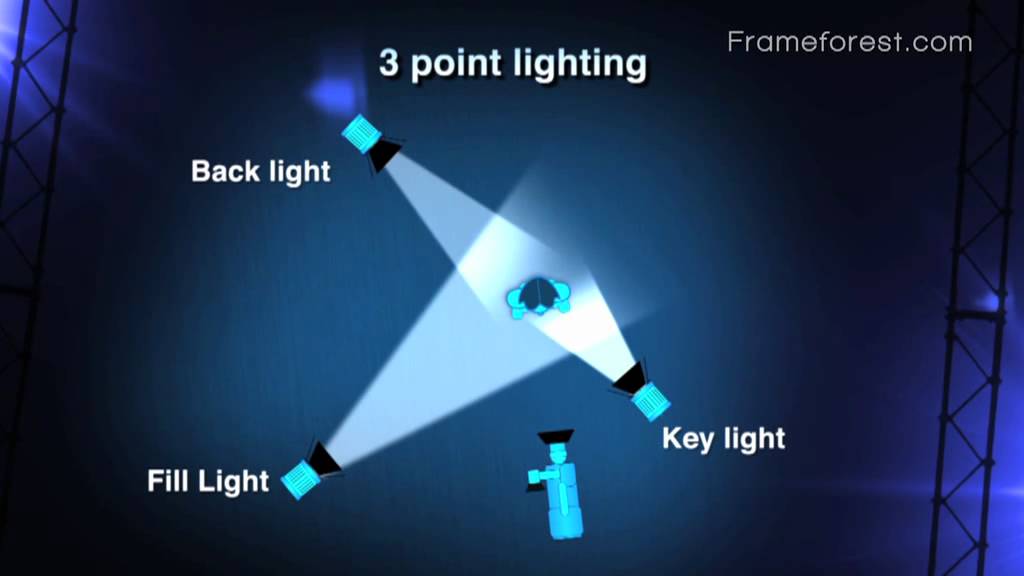

Key Light: The key light is your principal or main light source. In most cases, the key light is the strongest and brightest light source. It is the one that illuminates the subject. If you have only one light source to light up your subject, that is your key light. This light point source is the basis of all your other sources.
If we're shooting an object or a person, we almost always want the front to be illuminated. That is why most of the time the main light source is located in front of your subject, more specifically on the front side around 45 degrees or so. However, this is not always the case. With more knowledge of lighting, you may effectively use key light from any direction you prefer.
Take a look at the diagram below. This uses a basic studio lighting setup for key light. It's a one light setup with no other light source.
On other hand, light from the sun is an example of key light in the natural environment. Another is window light. At night, it can be anything from a car lights, light from lamp posts, building lights, etc. Just remember that the key light is the main source of illumination for your subject.

Fill Light: The second type of light point source is the fill light. The fill light does what it's called to do - fill with light.
When do we use fill light?
Remember that where there is light, a shadow exists close by. Sometimes there are instances where the key light casts a shadow in a portion where you would want to have more light than shade. This is where fill light comes in. What you do is have another light point positioned to ''fill in the shadows''.
It is therefore used to add more light to lighten or soften the shadow in an area of your subject.

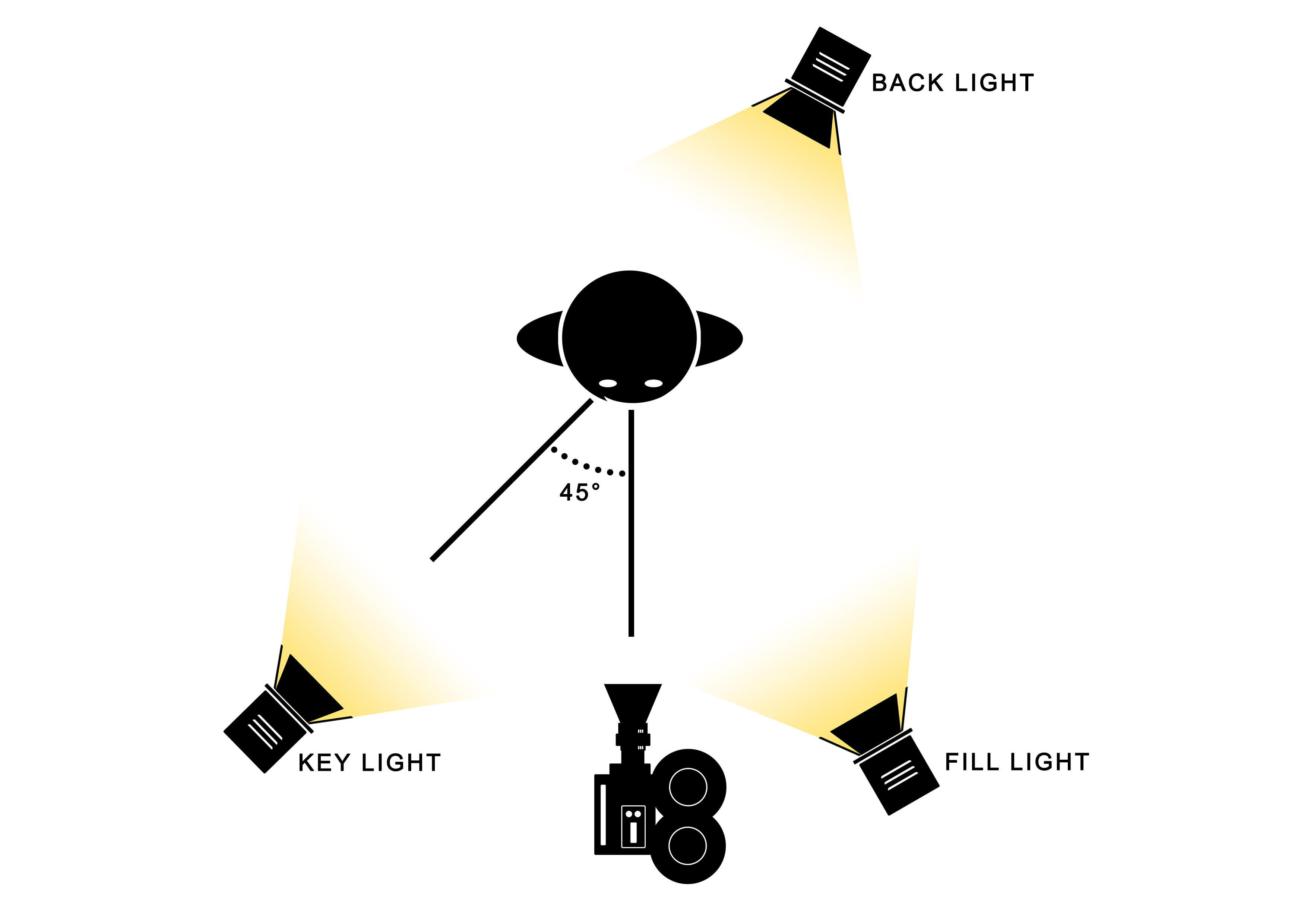
Edge Light: Edge light is a point source where light directly illuminates the subject from the back. The light intensity varies on the desired effect. It can be less than, equal to, or stronger than key light. The position of this point source creates an outline of the subject made of light.
Originally, edge light is called backlight because it is light coming from the back of a subject. Other terms include rim light and hair light because it was commonly used to create highlights on the edges of a person's hair, and also because the light it creates is thin and hair-like in nature. To emphasize the effect rather than the position of the point source, we will be using the term edge light or hair light more often.
Edge light has several purposes. The hair-like effect created by this point source creates a three-dimensional lighting illusion to a photograph. Since photography is a two-dimensional art, effects in lighting can help create that 3D visual experience.
 d
d
Tripod:
Tripods are used for holding a camera to stay still during a shot so it won't move or fall. The tripod has leg extensions to make it taller to get different shots. All you need to do is extend the legs by releasing each leg to the height that you want, once the legs are extend place the tripod on the ground and your tripod is ready.

The next step is how to attach a tripod, all you need to do is attaching the camera to a tripod and make sure that the plate is secruley attached, next place on the top of the tripod head and use the head to adjust to level out the composition.


Comments
Post a Comment